
The Tech Industry in Turbulent Waters: Navigating Legal Storms and Ethical Quandaries
In the dynamic seas of the tech industry, where innovation outpaces regulation, a tempest brews on the horizon as legal rulings and societal concerns are poised to radically alter the landscape. From the courtroom drama affecting Elon Musk’s fortune to the ethical quandaries of AI-fueled deepfakes, the industry is at a crucial junction where the decisions made now will shape the path ahead. Let’s dive into the waves of change and explore what they mean for the world’s tech titans, developers, and consumers.
The Tesla Compensation Conundrum: A Ripple Across Corporate America

A Delaware judge’s landmark decision to jettison Elon Musk’s colossal $56 billion compensation package sends shockwaves through the boardrooms of America. For the first time in history, a board’s resolution on CEO pay is overturned, chiseled away by intense scrutiny over the “extensive ties” between Tesla’s directors and the CEO himself. As the legal drama unfolds, Musk’s vast wealth teeters on a precipice, challenging how the corporate world compensates its leaders and raising the stakes for fiduciary responsibilities. As Musk’s riches hang in balance, the ruling ushers in an era of caution and reevaluation for directorships everywhere.
Apple’s Twist on the EU Law: Innovation or Evasion?

In a bold strategic maneuver, Apple appears to bend an EU law to its advantage, sparking fury among app developers. As the tech giant rolls out new policy changes in response to the Digital Markets Act, designed to level the playing field, players like Fortnite and Spotify decry these alterations as underhanded tactics. Has Apple sidestepped fair competition, or are they shrewdly navigating the legislative labyrinth? This dance between regulation and corporate ingenuity highlights the tension at the intersection of law and innovation, leaving the tech community watching with bated breath.
The Deepfake Dilemma: Society’s Digital Doppelgangers

The disturbing proliferation of sexualized AI-generated deepfakes, including those of Taylor Swift, prompts bipartisan uproar and a legislative response with the proposed ‘Defiance Act’. It aims to criminalize the distribution of non-consensual deepfakes, spotlighting the dark underbelly of AI’s capabilities. This move underlines the urgent need for regulatory frameworks to catch up with technology’s alarming adeptness at breaching privacy and the pressing call for industry-wide action to deter digital deception.
The Echoes of AI Mimicry: Politicking Through Cloned Voices

AI-generated voices mimicking politicians throw the FCC into high alert as robocalls threaten the integrity of the voting process. The commission, determined to curtail this digital ventriloquism, contemplates classifying AI-voice calls as “artificial,” setting the stage for them to be declared illegal under existing laws. This represents a critical step in combating evolving high-tech disinformation campaigns and safeguarding the sanctity of democratic procedures.
Palworld’s Persistent Patching: A Testament to Development Dedication

Against skeptics’ predictions, the developers of Palworld continue to display a commendable level of commitment to their game. Addressing bugs and enhancing gameplay through timely patches, they exemplify the developer’s creed – to iterate, improve, and innovate relentlessly. This persistent effort not only enriches the gaming experience but also solidifies the trust between creators and the gaming community, underscoring the importance of post-release support.
Exposed Jenkins Servers: A Crack in the Cyber Armor

The revelation of tens of thousands of Jenkins servers exposed to a high-severity bug sets off alarm bells in cybersecurity circles. The flaw, known as CVE-2024-23897, leaves systems vulnerable to remote code execution attacks, highlighting the ever-present specter of cyber vulnerabilities. In a digital age where cyber attacks have soared, this incident underscores the critical need for robust and vigilant cybersecurity measures.
The Volt Typhoon Defense: United States Stands Firm Against Cyber Threats

In a formidable show of defensive cyber might, the U.S. government foils a complex hacking campaign by China’s Volt Typhoon group, aimed at undercutting critical infrastructure. A decisive operation dismantles the botnet web, showcasing the resolve and readiness of American agencies to combat cyber threats and protect national security. Such interventions will likely become increasingly commonplace as the digital battleground becomes ever more central to international relations and security.
The Kids Online Safety Summit: Holding Tech CEOs to Account
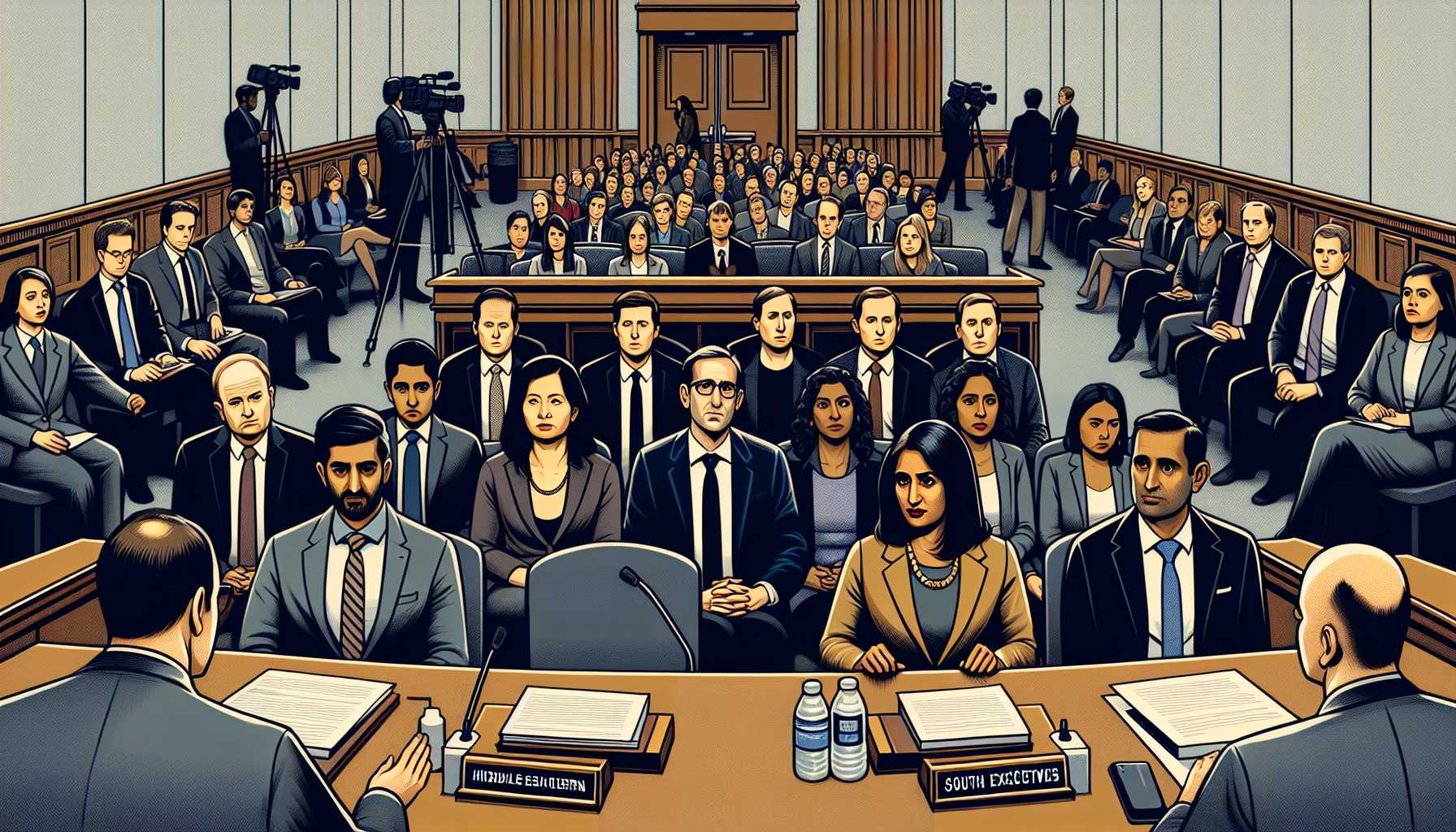
Big Tech executives find themselves in the hot seat as the U.S. Senate scrutinizes their platforms’ impacts on children’s online safety. As regulators grapple with potent legislative solutions amid the mounting mental health crisis, the tension between industry practices and public welfare looms large. How social media giants respond and adapt to safeguard the well-being of the youngest users will be a defining moment in the evolution of digital responsibility.
The FCC’s AI Clarity: Redefining Robocalls in the Deepfake Era
Tackling the emergent challenge of AI-generated robocalls, the FCC’s proposal marks a decisive step in redefining legality under established telecommunication laws. By classifying these nefariously convincing calls as unlawful, the commission arms state authorities with a new arsenal to combat these deceptive tactics. This move reflects the broader struggle to adapt regulations to the rapidly evolving landscape of AI technologies.
OpenAI’s Self-Assessment: Calculating the Bioweapons Risk

OpenAI’s self-study on GPT-4’s potential to facilitate bioweapon production concludes with a cautiously optimistic note. While acknowledging a slight increase in risk, the AI company reassures the public that doom is not at hand. Yet, the very fact that such assessments are necessary speaks to the profound impact AI could have on society, for better or worse, and the importance of continued research and ethical deliberation.
EU’s AI Act Advances: A Regulatory Blueprint Takes Shape
The European Union clears a significant hurdle in AI regulation as the AI Act proceeds to the adoption stage. Balancing the eradication of unacceptable AI risks with aspirations of AI innovation, the EU sets a precedent that could influence global AI policy. The Act’s trajectory signals a collective acknowledgment of AI’s potential impact on society, and it may well serve as a blueprint for other regions navigating the tides of this transformative technology.
Generative AI’s Ripple Effect: Transforming the Workplace

The arrival of generative AI is rippling through industries, altering the cadence of the workplace and recalibrating skills relevancy. As tech industry practices offer a glimpse into the broader labor market’s future, adaptability and lifelong learning become core tenets of success. This shift underscores the strategic value of upskilling, as the embrace of AI tools emerges as an indispensable facet of career resilience and corporate competitiveness.
UK’s AI Safety Report: Striking the Right Balance

The UK’s recent House of Lords report on AI safety criticizes the government for an alarmist focus on cataclysmic AI risks. Instead, it calls for a pragmatic approach that prioritizes immediate societal challenges posed by AI. This rebalancing act showcases the need for nuanced perspectives that can harness AI’s advantages while addressing the tangible issues unfolding today, such as privacy violations and the propagation of misinformation.
As we navigate these choppy waters, these stories not only report the current state but also raise pivotal questions: How will legal and ethical considerations shape the tech industry? How can we anticipate and manage the disruptions brought on by AI? As we contemplate these pressing matters, one thing is certain: The decisions we make today will define the course of tomorrow.