
The Rise and Fall of Project Titan
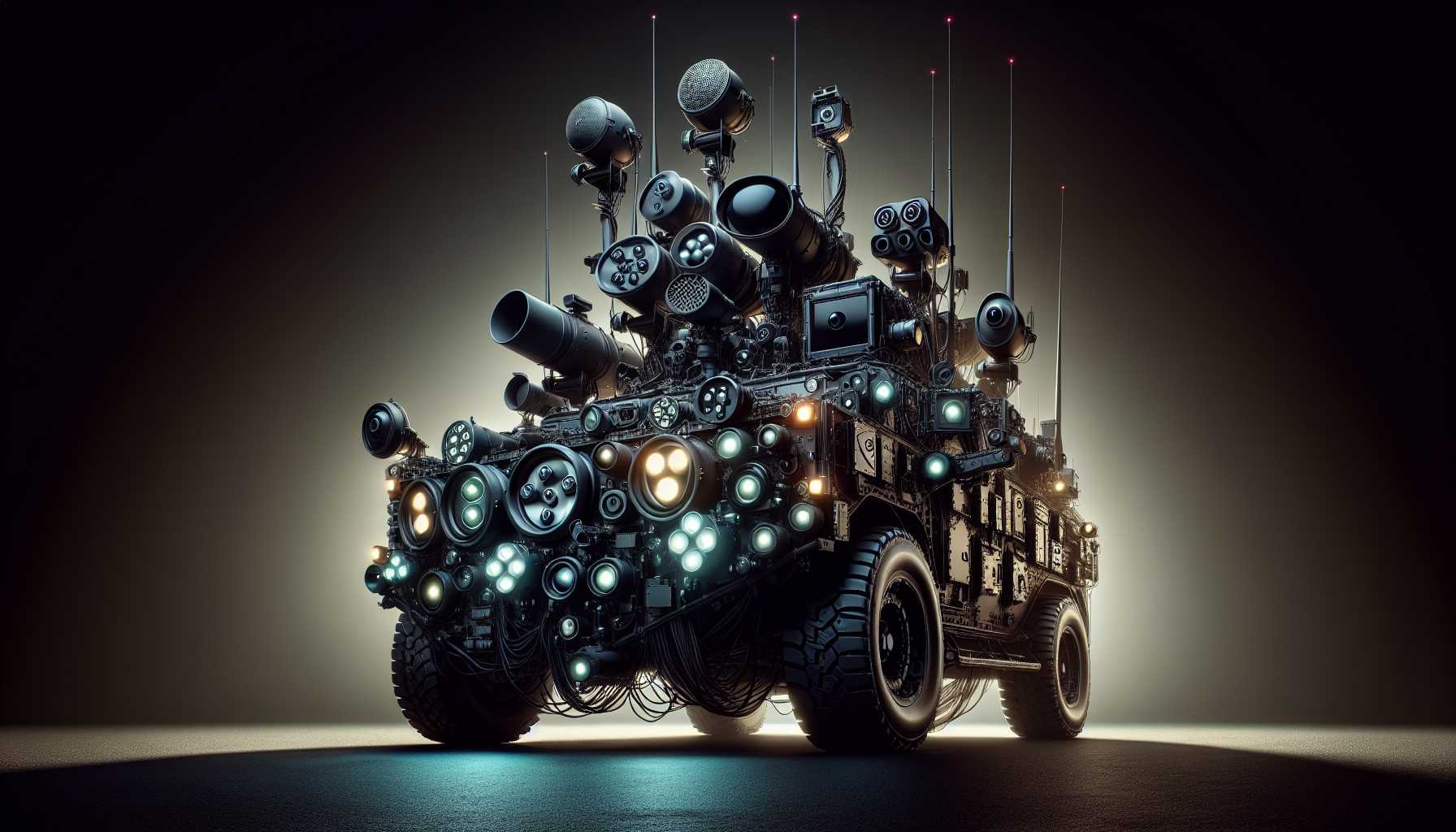
Once upon a time, in the high-tech kingdom of Apple Inc., there lay a hush-hush venture so cloaked in secrecy it could rival any mythical creature. Yes, folks, I’m talking about the now-legendary Project Titan, Apple’s foray into the seductive world of autonomous vehicles that has just hit a red light.
Project Titan was the worst-kept secret Apple ever had. Signs were everywhere—from hiring sprees in the auto industry to sightings of sensor-adorned vehicles cruising California streets. Despite efforts to keep it under wraps, we tech enthusiasts saw the breadcrumbs and hoped they’d lead us to a tech-laden, driverless chariot. Alas, apple carts have been upset all over Silicon Valley as Bloomberg’s Mark Gurman revealed: the dream is over.
To indulge in a history lesson, the visionary Steve Jobs had bounced around the Apple Car idea way back in 2008, but the burgeoning iPhone empire consumed Apple’s bandwidth. Fast forward to 2015, and Apple is swimming in dough and success – the perfect time for a “go big or go home” moment, right? Wrong. Nearly a decade of skyrocketing expectations would be Apple’s hubris, and Project Titan shows even the mighty can’t win them all. Apple could revolutionize electronics, but creating a car was a different beast. Outfitting it with the latest autonomous wizardry, designing it to perfection, and oh, yes, making it actually drivable—the sheer cliff face of these tasks proved too steep, even for the titan that is Apple.
But let’s dish out some specifics:
– Apple packed its team with industry hotshots, signaling full steam ahead on the driverless train.
– Cupertino’s finest danced around partnerships with automotive moguls BMW, and pumped resources into self-driving tech, even getting their hands on three Lexus SUVs decked out with the latest in AI-driven driving gizmos. All of these made headlines, and we tech gurus watched on the edge of our seats.
Changing Gears: From Car to Software
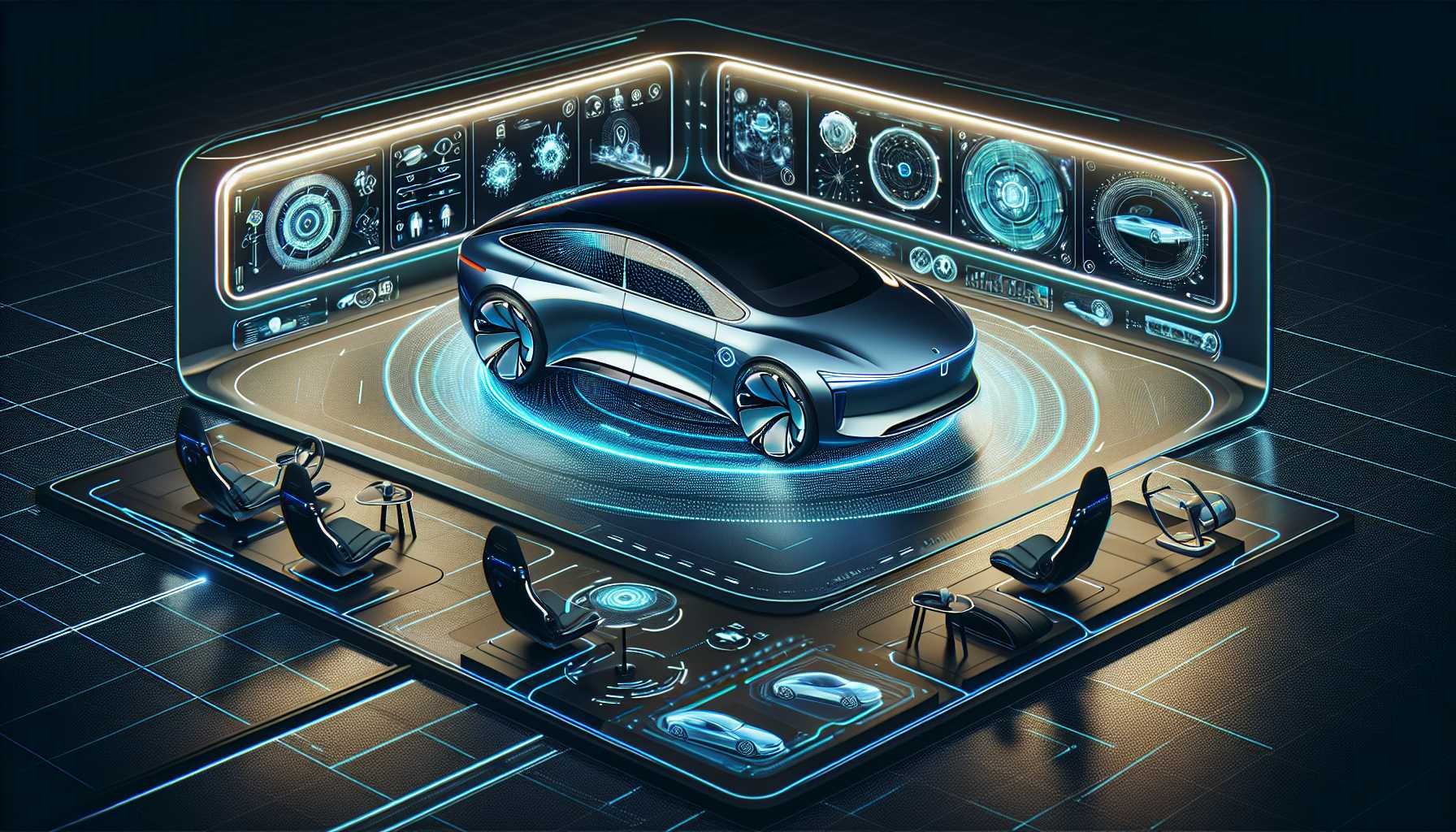
However, Apple took a detour from crafting its sleek roadster to shifting gears towards autonomous systems. Enter a fleet of self-driving Lexus beasts in 2017, but these experiments eventually scaled back as well. Turns out, innovative operating systems for existing cars might be Apple’s true north in the automotive space. And let’s not overlook the 2022 drop of the next-gen Apple CarPlay—it promised to redefine vehicle-cockpit interaction but has yet to hit the roads. This evolution, or perhaps revolution, in vehicular tech seemed to be the peak of Project Titan, for now.
A Silicon Chip off the Old Block
While Apple was veering off the expressway with its car project, another tech giant quietly revved its engines in the semiconductor sphere. Enter Taiwan Semiconductor Manufacturing Company (TSMC), the ace foundry behind the scenes, supplying Apple and other bigwigs like Tesla and Nvidia with the specialized chips that power our digital dominions. The digital transformation is as undeniable as the sunrise, with smart devices becoming extensions of our realities. Amid this revolution, semiconductors are the unsung heroes—the magic pixie dust that makes our electronic fantasies come true.
Facing down a global chip shortage, TSMC asserted itself as a beacon of hope—a lifeline in the tumult of supply chain storms. They don’t just churn out generic chips; these wizards tailor-make their silicon slices for the precise needs of their clientele.
TSMC’s Role in a Digitally Driven Future

Investors, pay heed! TSMC is not just cashing in on today’s tech; they’re laying the groundwork for tomorrow’s triumphs. As smartphones continue to reign and AI starts to take the helm, TSMC wields the wand that brings it all to life. We’ve all caught AI fever, from ChatGPT to whichever intelligent chatterbot Google whips out. The data these behemoths guzzle require vast digital vaults with the kind of processing might only TSMC’s semiconductors can provide.
Final Thoughts
TSMC’s CEO gushed about a compounded annual growth rate of 50% in AI-related semiconductors by 2027 – a stat that makes tech hearts flutter. This company isn’t just part of the tech ecosystem; it’s the very soil from which the industry’s future will grow.
Back in Apple’s orchard, while Project Titan might have stalled, Cupertino’s journey in the automotive realm still has roads to travel. We’ve tasted the bitter and the sweet of Apple’s tantalizing tech tease, and now we wait, knowing that in this high-octane tech race, not every lap ends with a victory lap. The tech world spins on, with Project Titan slipping into the annals of could-have-beens, but leaving behind a drive towards innovation that won’t run out of gas anytime soon.