
Welcome, seasoned product leaders. Communication in agile software projects is crucial but often challenging. In today’s post, we’ll dive deep into strategies and methods I’ve honed for effective stakeholder communication, ensuring we keep our projects on track and stakeholders engaged.
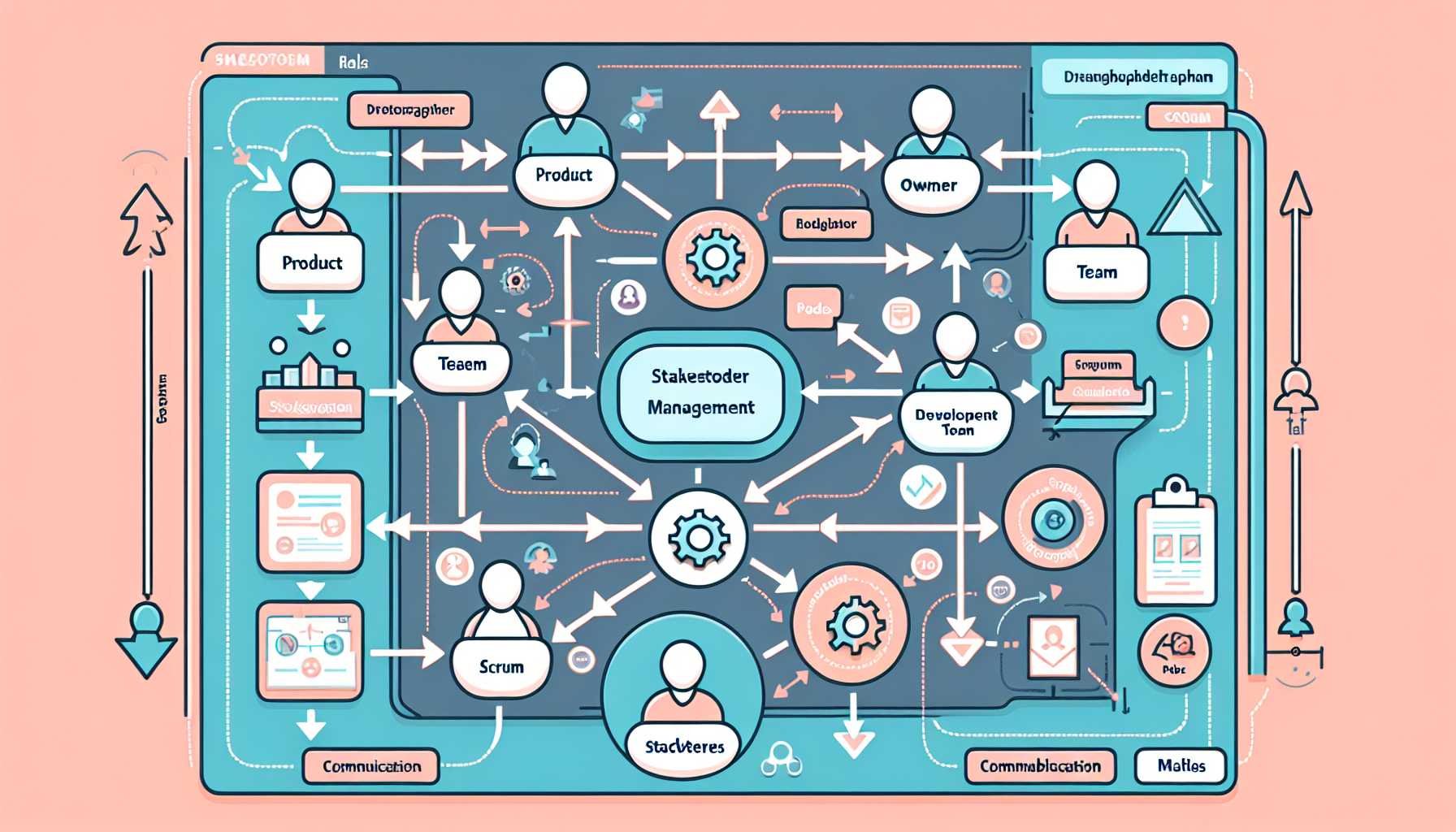
Understanding Stakeholder Dynamics in Agile Environments
Before diving into communication strategies, it’s essential to understand who your stakeholders are. In my career, I’ve learned that miscommunication often stems from misunderstandings about stakeholders’ needs and interests. Creating a stakeholder map early in the project has been instrumental in avoiding this pitfall.
The Stakeholder Map Framework
The Stakeholder Map is an agile framework that helps categorize stakeholders based on their influence and interest in the project:
- High Influence, High Interest: These are the ‘Key Players’ who must be fully engaged and whose opinions are vital for the project.
- High Influence, Low Interest: These ‘Subject Matter Experts’ offer valuable insights but do not need detailed, regular updates.
- Low Influence, High Interest: ‘The Supporters’ are important for feedback and buy-in but do not typically impact strategic decisions.
- Low Influence, Low Interest: ‘The Observers’ require minimal communication but should not be forgotten.
Strategies for Effective Communication
Now, let’s talk about the strategies that have worked for me:
The Agile Communication Plan
I’ve learned that while agile encourages flexibility, having a structured communication plan is indispensable. This plan outlines who needs what information, when they need it, and how it should be delivered.
Regular Stand-ups and Touchpoints
Daily stand-up meetings keep the team aligned, but it’s also critical to have regular touchpoints with stakeholders, which might be weekly or biweekly, depending on the project phase.
Demo Days and Retrospectives
Hosting demo days at the end of each sprint where all stakeholders can see real progress helps to build trust and manage expectations. Following these sessions with retrospectives ensures continuous improvement in how we communicate and deliver.
Personalized Updates
Not all stakeholders require the same level of detail. I send out tailored updates based on the stakeholder map categories, utilizing various channels such as in-person meetings, emails, and dashboards.
Managing Information Flow with Agile Tools
Tools like JIRA or Trello for task tracking and Confluence for documentation can keep stakeholders informed without overwhelming them with unnecessary details.
Case Studies and Personal Experiences
Let me share two specific cases from my past where communication made a significant difference:
Case Study 1: The Budget Readjustment
In a high-stakes project, we faced unexpected budget cuts. With a transparent discussion outlining the situation and involving stakeholders in the decision-making process, we were able to reprioritize features and adjust timelines without loss of stakeholder trust.
Case Study 2: The Tight Deadline Project
In another instance, a critical project had a non-negotiable deadline. By setting clear expectations through consistent communication and realigning stakeholders with adjusted project milestones, we successfully met the timeline without compromising quality.
Key Takeaways and Best Practices
Here are my distilled best practices for agile stakeholder communication:
- Maintain an updated stakeholder map.
- Develop a nuanced communication plan that respects stakeholder needs.
- Use regular meetings and demos to keep stakeholders involved.
- Customize your communication and leverage the right tools.
- Transparency is essential—always address challenges head-on.
- Continuous feedback loops are crucial for improvement.
Concluding Thoughts
Effective stakeholder communication in agile environments is more of an art than a science. Despite the frameworks and tools at our disposal, it’s the product leader’s intuition, experience, and empathy that ultimately bridge the gap between stakeholder expectations and project realities.
Mastering the art of communication takes time, but with the right approaches and a touch of personal flair, it is not only possible but can become one of your greatest assets in leading successful tech projects.
Until next time, keep leading and keep communicating!